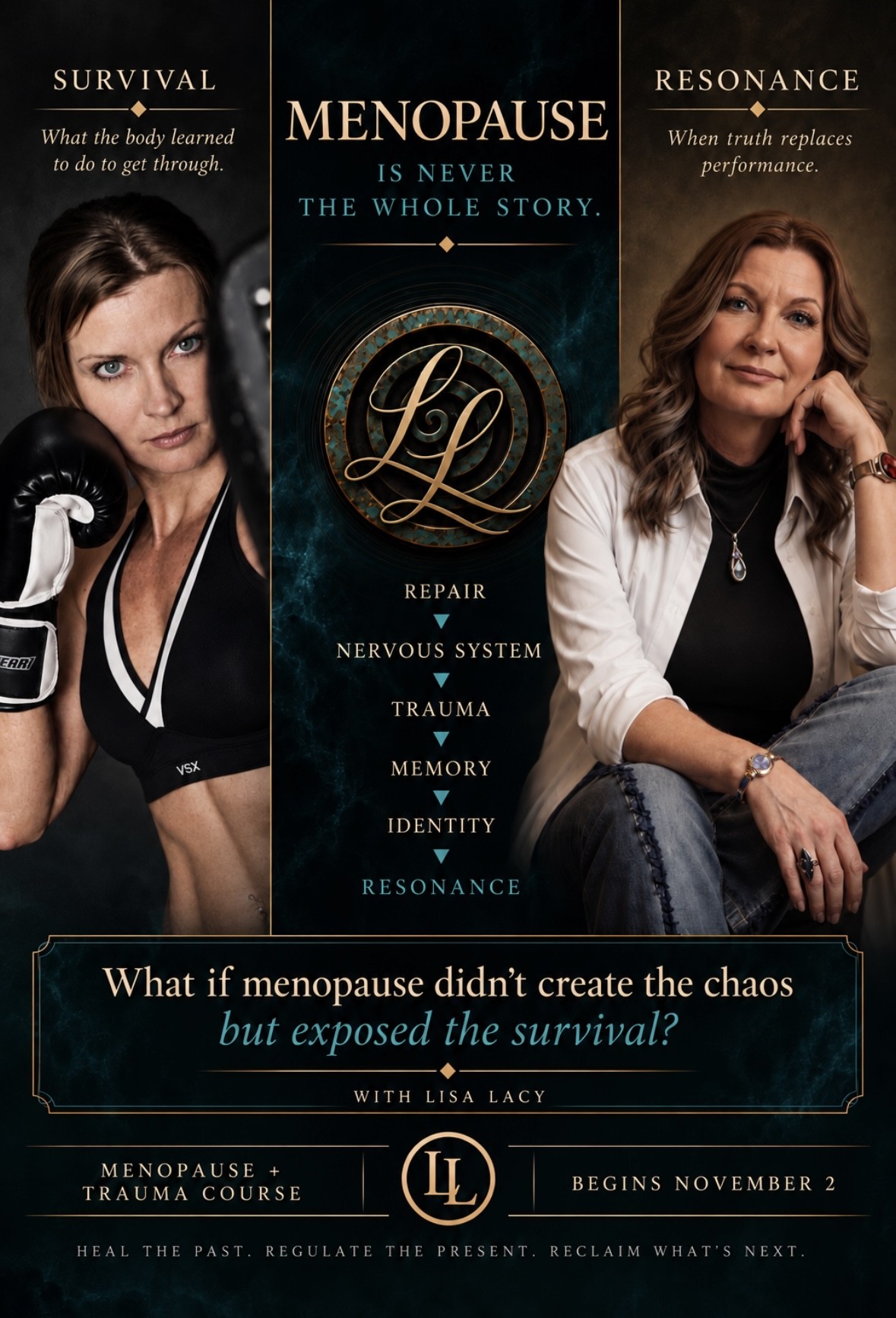
For the woman who expected menopause to change her body, and wasn't prepared for how far it might reach.
Most of us were given some version of the menopause talk. Expect hot flashes. Your sleep might change. Your weight may shift. Brain fog happens.
What nobody prepares you for is that you might start feeling different inside your own life. Your patience disappears. Anxiety that used to be manageable gets louder. Things you tolerated for years become impossible to ignore. A memory you haven't touched in decades walks back into the room.
Sometimes the frightening part isn't the physical change at all. It's looking at yourself and thinking:
What is happening to me?
Want to talk to me first?
This is a real commitment, and it's a lot to decide from a page. If you'd rather speak to me before you enroll, email me with Course Connection Chat in the subject line and I'll find a time with you personally. No calendar link, no sales call — just a conversation.
Be first to know
Leave your name and I'll let you know how the group is filling, and when the next one opens. Nothing else, ever, and you can step off the list any time.
Menopause doesn't arrive in a life that just started yesterday
By the time most women reach menopause, they have history.
You have loved people. Lost people. Worked. Raised families or decided not to. Stayed in things too long. Left things you thought would last forever. Built careers. Cared for parents. Made mistakes. Survived things nobody else completely understands.
You have also developed ways of functioning. Maybe you became extremely competent. Maybe you learned to keep the peace. Maybe you got very good at taking care of everybody else before anybody had to ask.
Then the physiology changes. Sleep may become unreliable. Your stress threshold can feel different. The strategies that once helped you push through may stop working the same way.
It does not mean every problem in your life is caused by trauma. It does not mean everything can be blamed on hormones either. Often, what is happening is more complicated than either explanation by itself.
Maybe something here sounds familiar
You have started asking yourself why you are so angry.
You are less willing to tolerate behaviour that used to roll off your back.
A family dynamic you accepted for years suddenly looks completely different.
You are tired of being the person everyone depends on.
You say no and then spend the next several hours wondering whether you were too harsh.
You have been thinking about something from your past and cannot figure out why it feels important again now.
Or maybe you cannot put your finger on anything specific. You just know that you feel different.
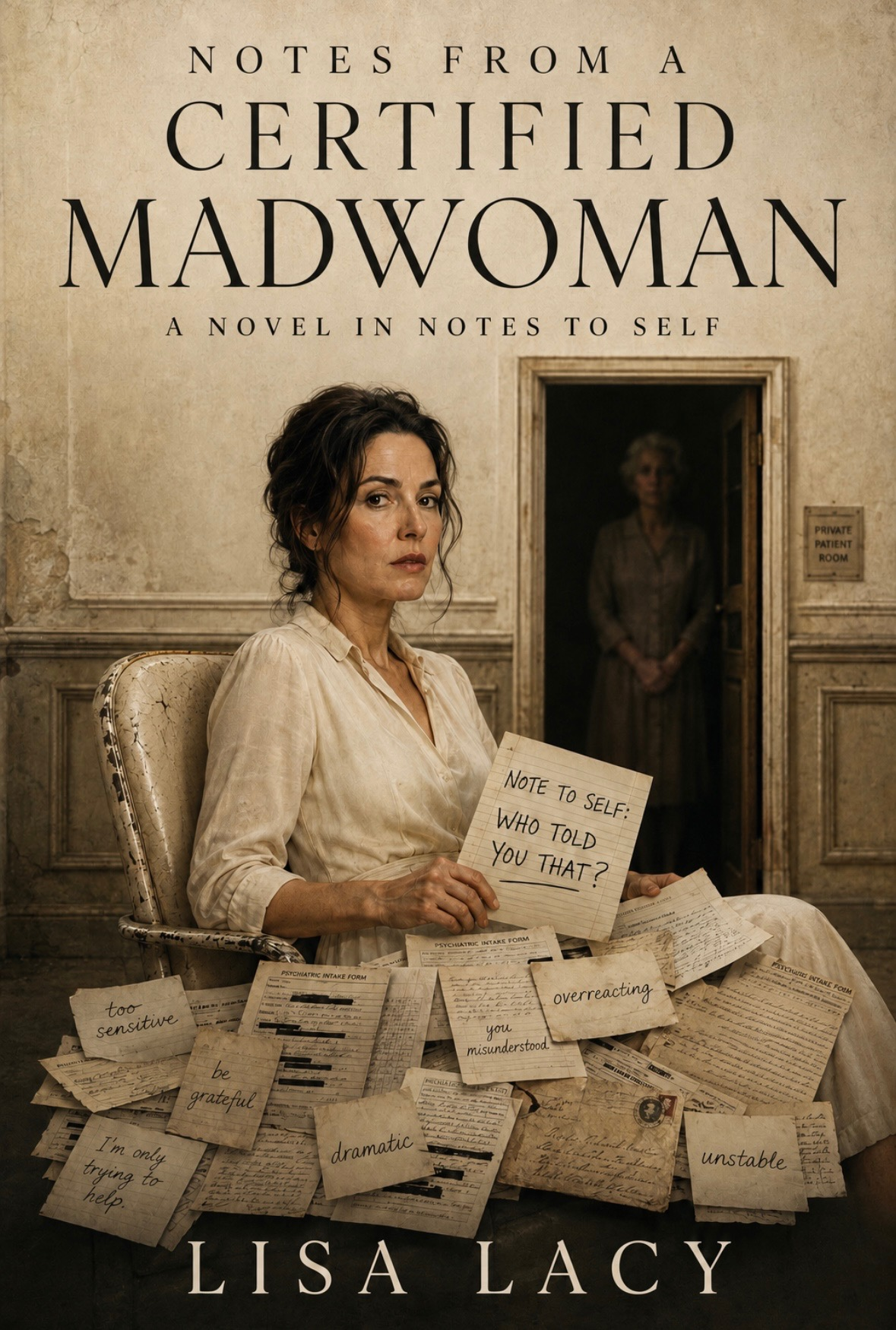
I spent too many years making pain look polite.
This isn't another course about hot flashes
There are plenty of good resources that explain the physical side of menopause. We need those.
This course is interested in what happens when the changes reach into the rest of your life.
What happens when your usual coping mechanisms no longer work as well? When your tolerance for certain relationships disappears? When anger starts telling you something you have been avoiding? When the identity you built around being capable, needed or endlessly accommodating stops fitting?
Those are menopause conversations too. They just don't get discussed nearly enough.
You may not need to get back to your old self
So much of the menopause conversation is about getting back. Back to your old weight. Back to your old energy. Back to feeling like yourself.
I understand why women want that. But I also think we should be allowed to ask whether everything about the old version of ourselves needs to be restored.
Maybe she was exhausted. Maybe she tolerated too much. Maybe she was incredibly good at appearing fine.
She deserves respect for getting you this far. She does not have to dictate the rest of your life.
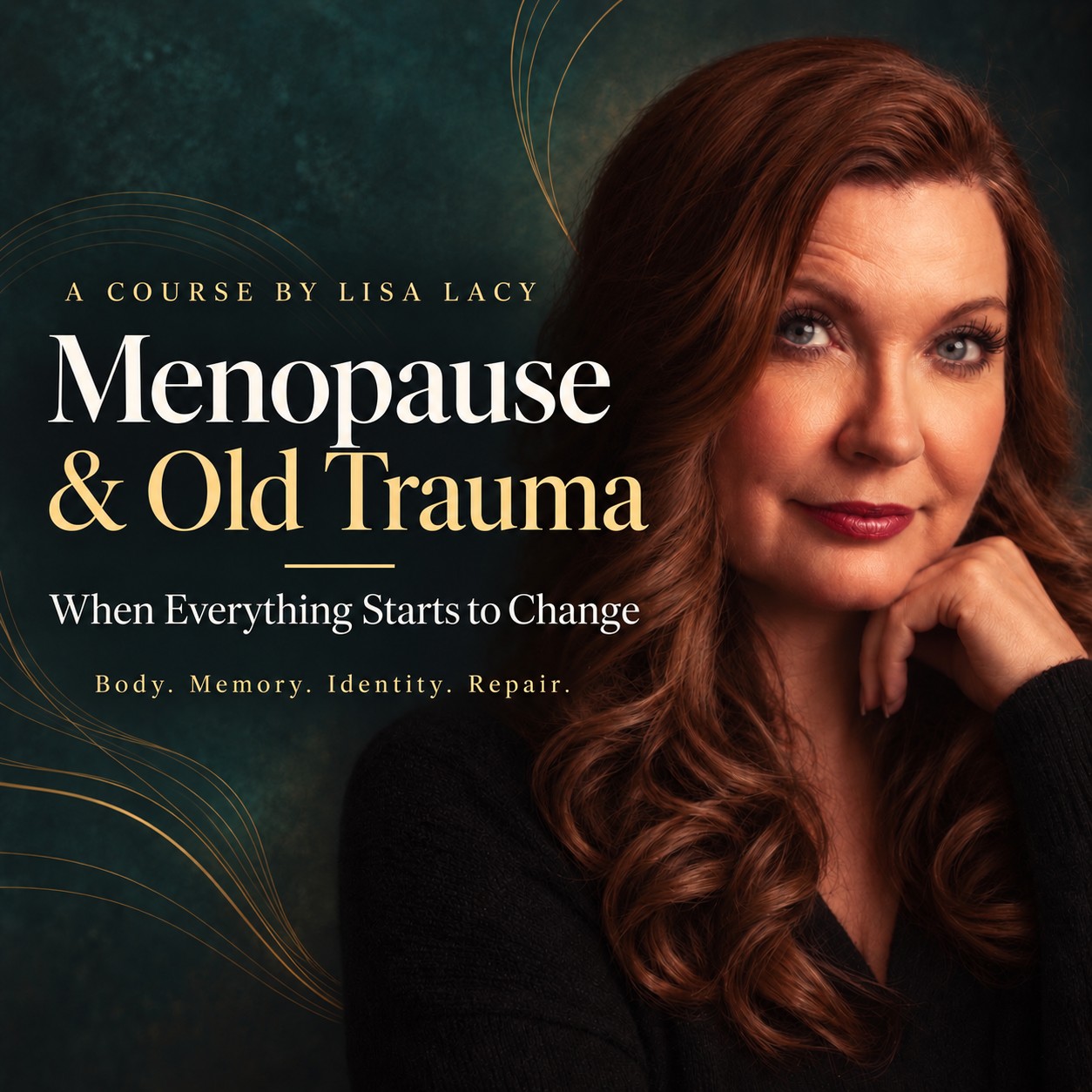
Perhaps the question now is not how do I become her again? Perhaps it is: who am I from here?
What if menopause didn’t create the chaos, but exposed the survival?
The 8 weeks
What's included
Six short video lessons each week, so you can move through them without setting aside hours at a time. A new workbook every week, which is yours alone and never handed in. Four live sessions with Lisa across the eight weeks, where you can take part or simply listen. And consideration for the separate eight-week individual program, which is not guaranteed with enrollment.
What people say
Lisa helped me understand that some of the things I had been judging myself for were actually patterns I had learned to survive. I stopped asking, ‘What is wrong with me?’ and started asking much better questions about what I needed.
I had spent years being the person who could handle everything. Working with Lisa gave me language for what was happening underneath that competence, and practical ways to start setting boundaries without feeling like I was abandoning everyone.
She doesn’t speak at you from a textbook. She combines education with lived experience in a way that makes difficult subjects understandable, human and immediately useful. I walked away trusting my own experience more than I had in years.
Who's teaching it
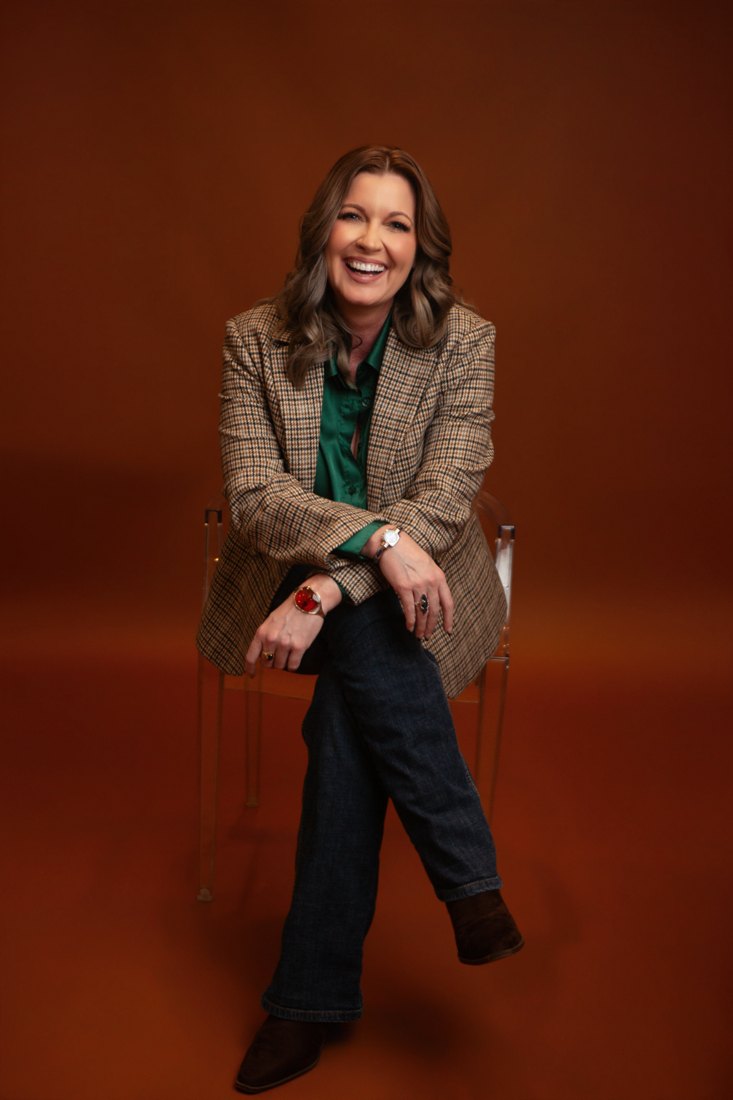
This is personal for me. I'm navigating menopause without hormone therapy, because a congenital blood disease makes that unavailable to me. I know what it is to have your body change the rules while everyone still expects you to function as though nothing has.
Questions
What do I receive each week?
Is this a self-paced course?
Do I have to share my personal history with the group?
Do I need to have a trauma diagnosis?
What if I don't know whether what I'm experiencing is menopause, trauma, stress or something else?
Is this therapy?
Will you tell me whether I should use hormone therapy or medication?
What if something in the course brings up difficult emotions?
Are the workbooks private?
What if I can't attend one of the live sessions?
What is the individual eight-week program with Lisa?
What exactly is included with enrollment?
Menopause & Trauma is an educational program. It is not psychotherapy, medical care, diagnosis, treatment or individualised medical advice. Questions about your own physical or mental health should be discussed with an appropriately licensed healthcare professional.